

Hey there! As a supplier of PVDF aluminium cladding, I often get asked about the flammability rating of PVDF aluminium cladding. So, I thought I'd take a few minutes to break it down for you.
First off, let's talk about what PVDF aluminium cladding is. PVDF stands for polyvinylidene fluoride, which is a type of high - performance fluoropolymer coating. This coating is applied to aluminium panels, creating a durable and weather - resistant material that's widely used in building facades, interior decoration, and more.
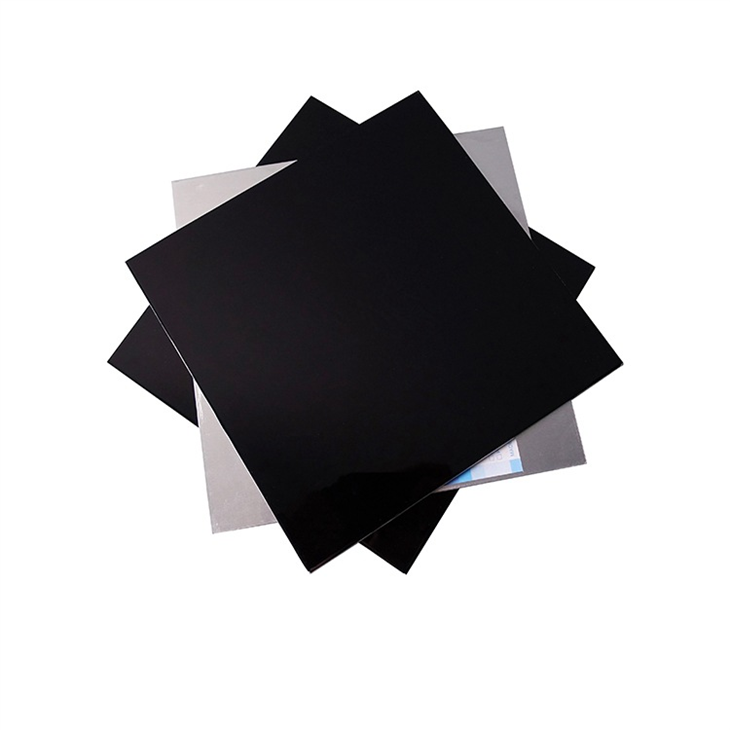
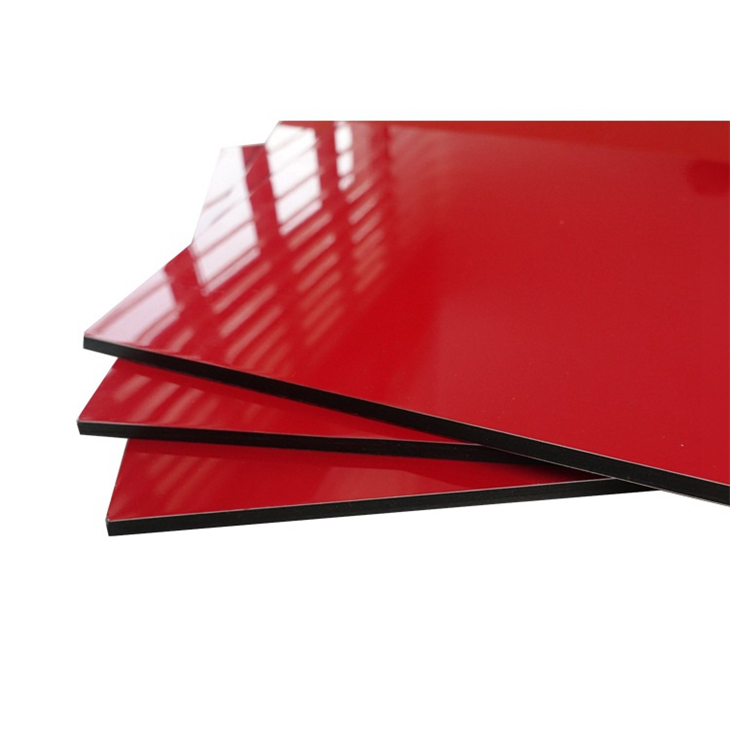
Now, onto the flammability rating. The flammability of PVDF aluminium cladding is determined by a series of standardized tests. One of the most well - known testing standards is the ASTM E84 test in the United States. This test measures the surface burning characteristics of building materials, specifically the flame spread index (FSI) and the smoke developed index (SDI).
PVDF aluminium cladding generally has a relatively good flammability rating. The aluminium core in the cladding is a non - combustible material. Aluminium has a high melting point, and it doesn't support combustion on its own. The PVDF coating also has a certain degree of fire - resistance. In most cases, PVDF aluminium cladding can achieve a Class A or Class B rating according to the ASTM E84 test.
A Class A rating means that the material has a low flame spread index (FSI of 0 - 25) and a low smoke developed index (SDI of 0 - 450). This makes it suitable for use in a wide range of buildings, including high - rise structures, hospitals, and schools, where strict fire safety requirements are in place. A Class B rating indicates a slightly higher flame spread index (FSI of 26 - 75) and a smoke developed index of up to 450. It's still a good rating and can be used in many commercial and residential applications.
In Europe, the EN 13501 - 1 standard is used to classify the fire performance of construction products. PVDF aluminium cladding usually falls into the A2 - s1, d0 or B - s1, d0 class. The A2 class means that the material has limited combustibility, and the s1 and d0 indicate low smoke production and no flaming droplets. The B class also represents a good level of fire performance, with slightly less strict requirements compared to the A2 class.
The good flammability rating of PVDF aluminium cladding is not only due to the properties of the aluminium core and the PVDF coating but also the manufacturing process. During production, strict quality control measures are taken to ensure that the cladding meets the relevant fire safety standards.
There are several factors that can affect the flammability rating of PVDF aluminium cladding. For example, the thickness of the aluminium core and the quality of the PVDF coating can play a role. A thicker aluminium core may provide better fire - resistance, as it takes longer for the heat to penetrate through the material. A high - quality PVDF coating can also form a protective layer that slows down the spread of fire.
Another factor is the installation of the cladding. Proper installation is crucial for maintaining the fire performance of the cladding. If the joints between the panels are not sealed correctly, it could allow fire and smoke to spread more easily. So, it's important to have professional installers who are familiar with the installation requirements of PVDF aluminium cladding.
Now, let's talk about why the flammability rating matters. Fire safety is a top priority in the construction industry. Using materials with a good flammability rating can significantly reduce the risk of fire spreading in a building. In case of a fire, PVDF aluminium cladding with a low flame spread index and smoke production can give people more time to evacuate the building safely. It can also minimize the damage to the building structure and its contents.
As a supplier of PVDF aluminium cladding, I'm proud to offer a product that meets high - level fire safety standards. Our PVDF aluminium cladding is not only fire - resistant but also has other great features. It has excellent weather resistance, which means it can withstand harsh environmental conditions such as strong sunlight, rain, and wind without fading or deteriorating. It also has a smooth and attractive surface, which can enhance the aesthetic appeal of any building.
If you're in the market for building cladding, you might also be interested in some related products. Check out our Composite Aluminum Panel Cladding, Aluminum Composite Panel For Building External Cladding, and Cheap Exterior/interior Wall Cladding Panel Aluminium Composite Panel. These products also offer good performance and value for money.
In conclusion, PVDF aluminium cladding has a good flammability rating, which makes it a safe and reliable choice for building applications. Whether you're working on a small residential project or a large commercial building, our PVDF aluminium cladding can meet your needs. If you're interested in learning more about our products or have any questions regarding the flammability rating or other aspects, feel free to reach out to us. We're always happy to have a chat and help you make the right choice for your project.
References:
- ASTM E84 Standard Test Method for Surface Burning Characteristics of Building Materials
- EN 13501 - 1 Classification using test data from reaction to fire tests