

Wall cladding, a fundamental element in architectural design, serves multiple crucial roles that significantly impact the aesthetics, functionality, and sustainability of buildings. As a leading wall cladding supplier, I have witnessed firsthand how this material transforms architectural visions into reality. In this blog, I will delve into the various roles of wall cladding in architectural design and showcase some of our top - notch products.
Aesthetic Enhancement
One of the most apparent roles of wall cladding is to enhance the visual appeal of a building. Architectural design is not merely about creating a functional space; it is also about making a statement. Wall cladding materials come in a wide range of colors, textures, and patterns, allowing architects to achieve diverse design styles.
For instance, natural stone cladding can bring a sense of timeless elegance and sophistication to a building. The unique veining and color variations in marble or granite add a touch of luxury, making the building stand out in the urban landscape. On the other hand, wooden cladding can create a warm and inviting atmosphere, especially in residential or eco - friendly buildings. It gives a rustic charm that connects the building with nature.
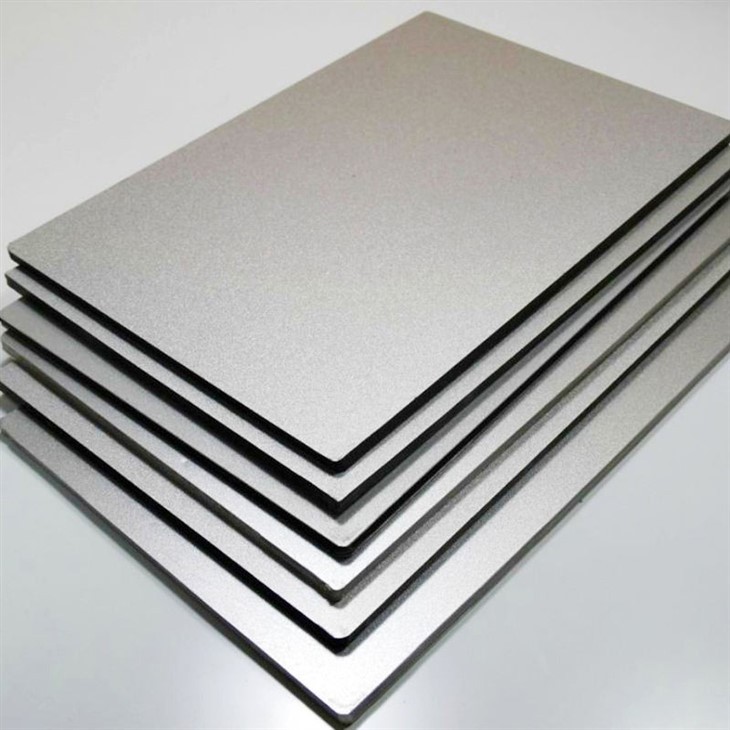
Our company offers a variety of wall cladding options to meet different aesthetic needs. The PVDF PE Coating ACM ACP Sheet Exterior Wall Aluminum Composite Panel is a popular choice for modern and contemporary architectural designs. With its smooth finish and a wide selection of colors, it can be used to create sleek and minimalist facades. The PVDF and PE coatings not only provide a beautiful appearance but also offer excellent durability and weather resistance.
Protection and Durability
Wall cladding acts as a protective shield for the building's structure. It safeguards the interior walls from various external factors such as weather elements, UV radiation, and mechanical damage. In regions with harsh climates, proper wall cladding can prevent water penetration, which is a major cause of structural damage, mold growth, and insulation degradation.
Aluminum composite panels, like our Aluminum Composite Panel For Building External Cladding, are known for their high durability. They are resistant to corrosion, impact, and fire, which makes them suitable for a wide range of building applications. The outer layers of the panel protect the inner core, ensuring the long - term integrity of the building's facade.
Moreover, wall cladding can also extend the lifespan of the building. By reducing the wear and tear on the main structure, it minimizes the need for frequent repairs and maintenance. This not only saves costs in the long run but also ensures the building remains in good condition for many years.
Energy Efficiency
In today's energy - conscious world, wall cladding plays a vital role in improving a building's energy efficiency. Insulated wall cladding materials can reduce heat transfer through the walls, which helps in maintaining a comfortable indoor temperature. This, in turn, reduces the reliance on heating and cooling systems, leading to lower energy consumption and cost savings.
Some wall cladding materials, such as foam - backed aluminum composite panels, have excellent insulating properties. They can trap air within their structure, acting as a barrier against heat flow. By installing such cladding on the exterior walls, architects can design buildings that are more energy - efficient and environmentally friendly.
Acoustic Performance
Another important role of wall cladding is to improve the acoustic performance of a building. In noisy urban environments or buildings with high - traffic areas, excessive noise can be a major problem. Wall cladding can absorb and reduce sound transmission, creating a quieter and more comfortable indoor environment.
Certain types of wall cladding, like fiber - based or porous materials, are particularly effective at sound absorption. They can be used in auditoriums, offices, and residential buildings to minimize noise pollution. Our Cheap Exterior/interior Wall Cladding Panel Aluminium Composite Panel can also contribute to acoustic insulation, providing a cost - effective solution for improving the sound quality inside a building.
Sustainability
Sustainability is a growing concern in architectural design, and wall cladding can play a significant role in achieving sustainable building goals. Many modern wall cladding materials are made from recycled or renewable resources. For example, some wooden cladding is sourced from sustainably managed forests, ensuring that the environmental impact is minimized.
Aluminum composite panels are also a sustainable choice. Aluminum is a highly recyclable material, and the production process of these panels consumes less energy compared to other building materials. Additionally, the long lifespan of wall cladding reduces the need for frequent replacements, which further conserves resources.
Design Flexibility
Wall cladding offers architects a great deal of design flexibility. It can be used to create complex shapes, curves, and patterns that would be difficult or impossible to achieve with traditional building materials. This allows for the creation of unique and innovative architectural designs.
For example, 3D - printed wall cladding can be customized to create intricate geometric patterns or organic forms. It gives architects the freedom to express their creativity and design buildings that are truly one - of - a - kind. Our range of wall cladding products can be easily fabricated and installed to meet the most demanding design requirements.
Branding and Identity
In commercial buildings, wall cladding can be used as a branding tool. The exterior facade of a building is often the first impression that customers have, and a well - designed wall cladding can help to establish a strong brand identity. By using specific colors, textures, and logos on the cladding, businesses can create a unique and recognizable image.
For instance, a corporate office building can use a distinct color scheme on its wall cladding to match the company's brand colors. This not only makes the building more visible but also reinforces the brand's message and values.
Conclusion
In conclusion, wall cladding plays a multifaceted role in architectural design. It enhances the aesthetics, provides protection and durability, improves energy efficiency, enhances acoustic performance, promotes sustainability, offers design flexibility, and helps in branding. As a wall cladding supplier, we are committed to providing high - quality products that meet the diverse needs of architects and building owners.
If you are an architect, builder, or building owner interested in our wall cladding products, we invite you to contact us for a detailed discussion. We can provide you with samples, technical specifications, and cost estimates to help you make the best choice for your project. Whether you are looking for a modern and sleek facade or a traditional and rustic look, our wall cladding solutions can bring your design vision to life.

References
- Building Construction Handbook, McGraw - Hill Education
- Architectural Design: Processes and Procedures, John Wiley & Sons
- Sustainable Building Materials: Selection and Environmental Impact, Routledge