

Hey there! As an ACP panel supplier, I often get asked about the strength - to - weight ratio of ACP panels. So, I thought I'd sit down and write this blog to share everything I know about it.
First off, let's break down what the strength - to - weight ratio actually means. In simple terms, it's a measure of how strong a material is relative to its weight. For construction and decorative materials like ACP panels, this ratio is super important. A high strength - to - weight ratio means you get a material that can withstand a good amount of stress and load without being overly heavy.
ACP panels, or Aluminum Composite Panels, are made up of two thin aluminum sheets bonded to a non - aluminum core. This unique structure gives them some pretty impressive properties when it comes to the strength - to - weight ratio.
The aluminum outer layers are known for their excellent strength. Aluminum is a strong metal that can resist bending, denting, and other forms of physical damage. At the same time, it's relatively lightweight compared to many other metals. This means that even though the outer layers contribute to the overall strength of the panel, they don't add a ton of extra weight.
The core material in ACP panels also plays a crucial role. Different types of cores are used, such as polyethylene (PE) or mineral - filled cores. PE cores are lightweight and offer good flexibility, which can help the panel absorb some impact without breaking. Mineral - filled cores, on the other hand, provide even more strength and fire - resistance.
One of the big advantages of the high strength - to - weight ratio of ACP panels is in construction. When building facades or interior partitions, using ACP panels can make the installation process a lot easier. Since they're not too heavy, they don't put excessive stress on the building's structure. This can save on construction costs, as less structural support may be required.
For example, if you're working on a large - scale commercial building project, the weight of the cladding material can be a major concern. Using traditional heavy materials like stone or concrete can add a significant amount of load to the building. But with ACP panels, you can achieve a similar aesthetic appeal while keeping the weight down.
Another area where the strength - to - weight ratio shines is in transportation. Lighter panels are easier and cheaper to transport. You can fit more ACP panels in a single shipment compared to heavier materials, which reduces shipping costs and the carbon footprint associated with transportation.
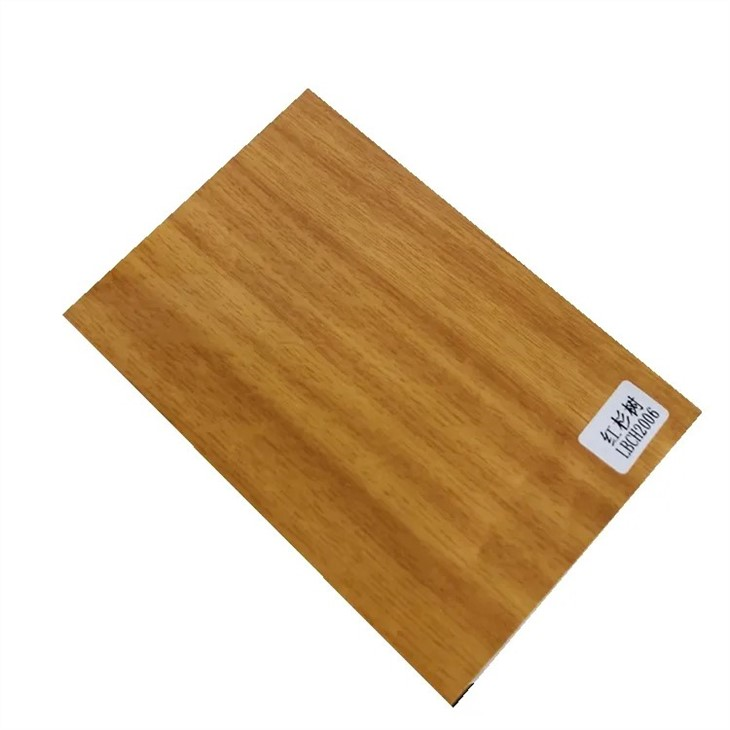

Now, let's talk about some real - world applications. ACP panels are widely used in exterior wall cladding. They can give a building a modern and sleek look. For instance, the Alucobond ACP For Wall Cladding is a popular choice for architects and builders. Its high strength - to - weight ratio makes it ideal for both new construction projects and renovation work.
In interior design, ACP panels are also a go - to option. They can be used to create feature walls, partitions, and ceiling panels. The Hot Sale Modern Design Decorative Bamboo Charcoal Board Mirror Wall Wood Veneer offers a unique and stylish look, and its strength - to - weight ratio ensures that it can be easily installed in various indoor settings.
And if you're looking for a more rustic or natural look, the Alucobond Cladding Wooden ACP Aluminum Cladding Panel is a great choice. It combines the beauty of wood with the strength and durability of ACP panels, all while maintaining a good strength - to - weight ratio.
But how do you measure the strength - to - weight ratio of ACP panels? Well, manufacturers usually conduct a series of tests. Tensile strength tests are used to measure how much pulling force a panel can withstand before breaking. Flexural strength tests determine the panel's ability to resist bending. And of course, the weight of the panel is measured accurately. By comparing these values, we can get a clear picture of the strength - to - weight ratio.
It's also important to note that the strength - to - weight ratio can vary depending on the quality of the ACP panels. Higher - quality panels are often made with better - grade aluminum and more advanced core materials. These panels tend to have a more favorable strength - to - weight ratio, which means they'll perform better in the long run.
As a supplier, I always make sure to source the best - quality ACP panels for my customers. I understand that the strength - to - weight ratio is a key factor in their decision - making process. Whether it's for a small - scale residential project or a large - scale commercial development, I can provide panels that meet the specific requirements.
If you're in the market for ACP panels, I'd love to have a chat with you. Whether you need advice on the best panel for your project, want to know more about the strength - to - weight ratio, or are ready to place an order, I'm here to help. Contact me, and let's start a discussion about how ACP panels can transform your project.
References
- Aluminum Association. (Year). Properties of Aluminum.
- Construction Materials Handbook. (Year). McGraw - Hill.