

In the ever - evolving world of construction, the pursuit of sustainable building materials has become a top priority. Architects, builders, and environmentally - conscious consumers are constantly on the lookout for materials that not only offer aesthetic appeal and durability but also have a minimal impact on the environment. As a supplier of ACP (Aluminum Composite Panel) wall cladding, I am often asked whether ACP wall cladding is a sustainable building material. In this blog, I will delve into the various aspects of ACP wall cladding to determine its sustainability credentials.
Composition and Manufacturing Process
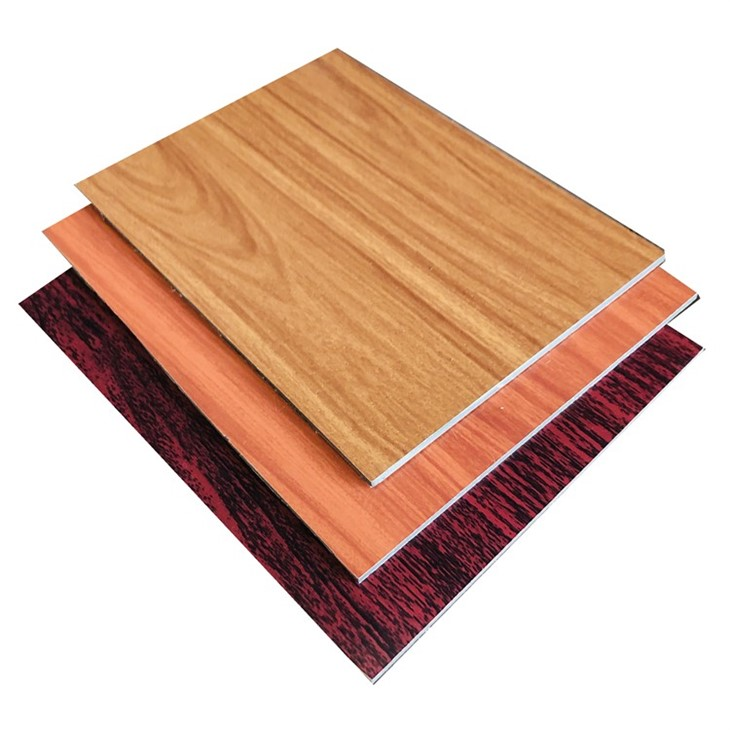
ACP wall cladding typically consists of two aluminum sheets bonded to a non - aluminum core. The core can be made of different materials, such as polyethylene (PE), fire - retardant materials, or mineral - filled cores. The manufacturing process of ACP involves bonding the aluminum sheets to the core under high pressure and temperature.
When it comes to sustainability, the raw materials used in ACP production play a crucial role. Aluminum is one of the most abundant metals on Earth, and it is highly recyclable. Recycling aluminum requires only about 5% of the energy needed to produce primary aluminum. This means that a significant portion of the aluminum used in ACP can be sourced from recycled materials, reducing the demand for virgin aluminum and the associated energy consumption and environmental impact.
The core materials also vary in their sustainability. Polyethylene cores, while not biodegradable, can be recycled in some cases. Fire - retardant and mineral - filled cores may have different environmental profiles, but many manufacturers are now focusing on developing cores that are more environmentally friendly, such as those with lower volatile organic compound (VOC) emissions.
Energy Efficiency
One of the key factors in determining the sustainability of a building material is its impact on the energy efficiency of a building. ACP wall cladding can contribute to energy efficiency in several ways.
Firstly, ACP can act as an additional layer of insulation for the building envelope. This helps to reduce heat transfer between the interior and exterior of the building, which in turn reduces the energy required for heating and cooling. In regions with extreme climates, this can lead to significant energy savings over the lifespan of the building.
Secondly, ACP can be designed with reflective surfaces. Reflective ACP can reflect sunlight and heat away from the building, reducing the solar heat gain. This is particularly beneficial in hot climates, where it can help to keep the interior of the building cooler without relying solely on air - conditioning systems.
Durability and Longevity
Sustainable building materials are often those that have a long lifespan and require minimal maintenance. ACP wall cladding is known for its durability. It can withstand harsh weather conditions, including strong winds, rain, and UV radiation, without significant degradation.
The long lifespan of ACP means that it does not need to be replaced as frequently as some other building materials. This reduces the amount of waste generated over time and the resources required for replacement. Additionally, ACP's low - maintenance nature means that there is less need for chemical cleaning agents and other maintenance - related products, which can have environmental impacts.
Recyclability
As mentioned earlier, aluminum is highly recyclable. At the end of its useful life, ACP wall cladding can be recycled. The aluminum sheets can be separated from the core and recycled into new aluminum products. This closed - loop recycling process helps to conserve natural resources and reduce waste sent to landfills.
However, the recyclability of ACP also depends on the availability of recycling facilities and the willingness of end - users to recycle. In some regions, there may be limited infrastructure for recycling ACP, which can pose a challenge to its full - scale recycling. As an ACP supplier, we are working with recycling partners and promoting awareness about the recyclability of our products to overcome these challenges.
Indoor Air Quality
Indoor air quality is an important aspect of sustainable building. ACP wall cladding can contribute to good indoor air quality if it is manufactured with low - VOC materials. VOCs are chemicals that can be emitted from building materials and can have negative health effects on occupants.
Many modern ACP products are designed to have low VOC emissions, ensuring that they do not contribute to poor indoor air quality. This is especially important for buildings such as schools, hospitals, and offices, where the health and well - being of occupants are a top priority.

Case Studies
To illustrate the sustainability of ACP wall cladding in real - world applications, let's look at a few case studies.
In a commercial building in a hot and sunny region, the installation of reflective ACP wall cladding led to a 20% reduction in energy consumption for cooling. The building's occupants also reported improved comfort levels, as the interior remained cooler during the day. Over a period of five years, the energy savings translated into significant cost savings for the building owner.
In another project, an ACP - clad building was designed with a high percentage of recycled aluminum in the panels. At the end of the building's renovation, the ACP panels were successfully recycled, with the aluminum being reused in new construction projects. This not only reduced waste but also demonstrated the circular economy potential of ACP.
Our Product Offerings
As an ACP wall cladding supplier, we are committed to providing sustainable products. We offer a range of ACP products, including the 4mm Outdoor ACP Manufacturer. These outdoor panels are designed to be durable and weather - resistant, while also being made with a significant amount of recycled aluminum.
Our 4mm PE Coated Alucobond Aluminum Composite Panel 1220*2440mm ACP Sheet For Interior Or Exterior Wall Cladding is another popular product. It offers a balance of aesthetics and performance, with low VOC emissions to ensure good indoor air quality.
We also have a long - standing reputation as Aluminum Cladding Sheet Aluminum Composite Panel Manufacturers For 25years. Our experience in the industry has allowed us to continuously improve our manufacturing processes and product sustainability.
Conclusion
In conclusion, ACP wall cladding has several characteristics that make it a sustainable building material. Its use of recyclable aluminum, potential for energy efficiency, durability, and recyclability at the end of its life all contribute to its sustainability credentials. However, there are still areas for improvement, such as increasing the availability of recycling facilities and further reducing the environmental impact of core materials.
As an ACP supplier, we are dedicated to promoting the sustainable use of our products. We believe that by working together with architects, builders, and end - users, we can maximize the environmental benefits of ACP wall cladding. If you are interested in learning more about our ACP products or would like to discuss a potential project, please feel free to reach out to us. We are ready to assist you in making sustainable building choices.
References
- "Sustainable Building Materials: A Guide to Environmental Design" by David Cheshire
- "Aluminum Recycling: Processes and Technologies" by John Smith
- Industry reports on building energy efficiency and sustainable construction practices.