

Hey there! As a supplier of ACP wood cladding, I've seen firsthand the importance of properly sealing the joints. It's not just about aesthetics; it's crucial for the longevity and performance of the cladding. So, let's dive into what I think is the best way to seal ACP wood cladding joints.
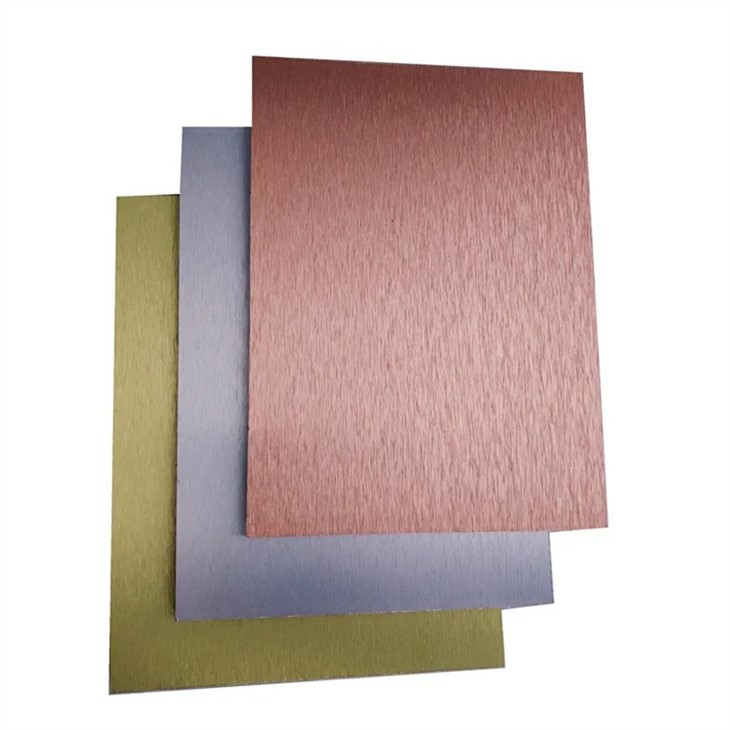
First off, let's understand why sealing the joints is so important. ACP wood cladding, like Gold Brush ACP Cladding Sheet, is often exposed to the elements. Moisture, in particular, can be a real problem. If water seeps into the joints, it can cause swelling, warping, and even mold growth over time. This not only affects the look of the cladding but also its structural integrity.
Now, when it comes to choosing the right sealant, there are a few factors to consider. The type of environment the cladding is in plays a big role. For outdoor applications, you need a sealant that can withstand UV rays, temperature changes, and heavy rain. Silicone-based sealants are a popular choice in these situations. They're flexible, which means they can expand and contract with the cladding as the temperature fluctuates. This flexibility helps prevent cracks from forming in the sealant, keeping the joints watertight.
Another option is polyurethane sealants. These are known for their strong adhesion and durability. They can bond well to a variety of materials, including ACP wood cladding. Polyurethane sealants also offer good resistance to chemicals and abrasion, making them suitable for areas that might be exposed to more wear and tear.
But it's not just about the type of sealant; the application process is equally important. Before applying the sealant, the joints need to be clean and dry. Any dirt, dust, or debris in the joints can prevent the sealant from adhering properly. You can use a brush or a compressed air gun to clean out the joints. Make sure to remove any old sealant or residue as well.

Once the joints are clean, it's a good idea to apply a primer. A primer helps improve the adhesion of the sealant and can also provide an extra layer of protection. Follow the manufacturer's instructions when applying the primer, and let it dry completely before moving on to the sealant.
When it comes to applying the sealant, use a caulking gun for a smooth and even application. Cut the tip of the sealant tube at a 45-degree angle, and adjust the size of the opening based on the width of the joint. Start at one end of the joint and slowly move the caulking gun along, applying a steady bead of sealant. Try to keep the bead as uniform as possible.
After applying the sealant, use a tool like a putty knife or a sealant finishing tool to smooth it out. This helps ensure that the sealant fills the joint completely and creates a neat, professional-looking finish. You can also use masking tape along the edges of the joint to create a clean line and make cleanup easier.
Let's talk a bit more about the different types of ACP wood cladding we offer. Our 3mm 4mm Brushed ACP ACM Aluminum Composite Panel ACP Sheet is a great option for both indoor and outdoor applications. The brushed finish gives it a sleek and modern look, while the composite construction provides strength and durability.
For larger projects, our 4*8ft Brushed Surface Aluminum Foil Composite Panel Display Signage ACP Sheet is a popular choice. It's large enough to cover a significant area, which can save on installation time. And of course, proper joint sealing is just as important for these larger panels.
In addition to choosing the right sealant and following the correct application process, regular maintenance is also key. Inspect the joints periodically to check for any signs of damage or wear. If you notice any cracks or gaps in the sealant, it's important to repair them as soon as possible to prevent water from getting in.
So, to sum it up, the best way to seal ACP wood cladding joints involves choosing the right sealant based on the environment, preparing the joints properly, applying the sealant correctly, and maintaining it over time. Whether you're working on a small residential project or a large commercial one, these steps will help ensure that your ACP wood cladding looks great and lasts for years to come.
If you're in the market for ACP wood cladding or have any questions about joint sealing, don't hesitate to reach out. We're here to help you make the best choices for your project. Let's work together to create a beautiful and durable cladding solution.
References
- "Sealants for Building and Construction" - Construction Materials Handbook
- "Best Practices for Sealing Exterior Cladding Joints" - Journal of Building Envelope Technology