

As a supplier of B grade fireproof Aluminum Composite Panels (ACP), I've encountered numerous inquiries regarding the compatibility of these panels with other materials. This blog post aims to delve into the various compatibility issues one might face when using B grade fireproof ACP alongside other building materials.
Compatibility in Terms of Physical Properties
Thermal Expansion
One of the primary concerns when combining B grade fireproof ACP with other materials is thermal expansion. Different materials expand and contract at different rates in response to temperature changes. For instance, concrete has a relatively low coefficient of thermal expansion compared to ACP. When these two materials are used in close proximity, such as in a building facade where the ACP is installed over a concrete wall, the differential expansion can lead to stress build - up. This stress may cause the ACP to warp, buckle, or even delaminate over time.
To mitigate this issue, it is crucial to design the installation in a way that allows for movement. Expansion joints can be incorporated between the ACP and the concrete or other materials. These joints provide a buffer space for the materials to expand and contract without causing damage to the ACP. Additionally, using flexible sealants at the joints can help to maintain the integrity of the installation while accommodating the movement.
Moisture Absorption
Moisture can also pose a significant compatibility problem. B grade fireproof ACP typically has a low moisture absorption rate. However, some other building materials, like wood or certain types of insulation, may absorb moisture more readily. When these moisture - absorbing materials are in contact with the ACP, the absorbed moisture can lead to corrosion of the ACP's aluminum skins or affect the adhesive layer between the skins and the core.
To address this issue, proper moisture barriers should be installed between the ACP and moisture - absorbing materials. For example, if installing ACP over a wooden substrate, a waterproof membrane can be applied to the wood surface. This membrane will prevent moisture from migrating from the wood to the ACP, thus protecting the ACP from potential damage.
Compatibility in Terms of Chemical Properties
Chemical Reactions
Certain chemicals can react with the components of B grade fireproof ACP. For example, acidic or alkaline substances can corrode the aluminum skins of the ACP. If the ACP is used in an environment where it may come into contact with such chemicals, such as in a chemical processing plant or a building near a coastal area with salt - laden air, special protective coatings should be applied to the ACP.
Moreover, when using adhesives or sealants to bond the ACP to other materials, it is essential to ensure that these products are chemically compatible with the ACP. Incompatible adhesives may cause discoloration, delamination, or reduced adhesion strength over time. It is advisable to conduct compatibility tests before using any new adhesive or sealant with the ACP.

Compatibility in Fire Performance
Fire Spread and Smoke Emission
B grade fireproof ACP is designed to have a certain level of fire resistance. However, when combined with other materials, the overall fire performance of the building envelope can be affected. Some materials may act as fuel and increase the spread of fire, while others may produce a large amount of smoke.
For example, if the ACP is installed over a highly flammable insulation material, the insulation can contribute to the rapid spread of fire in case of a fire outbreak. In such cases, it is necessary to use fire - rated insulation materials that are compatible with the B grade fireproof ACP. These materials should have similar fire - performance characteristics to ensure that the overall fire safety of the building is maintained.
Compatibility in Aesthetic and Installation
Aesthetic Compatibility
In addition to physical and chemical compatibility, aesthetic compatibility is also important. The appearance of the B grade fireproof ACP should blend well with other materials used in the building. For example, if the building has a modern and sleek design, the ACP should have a finish that complements this style.
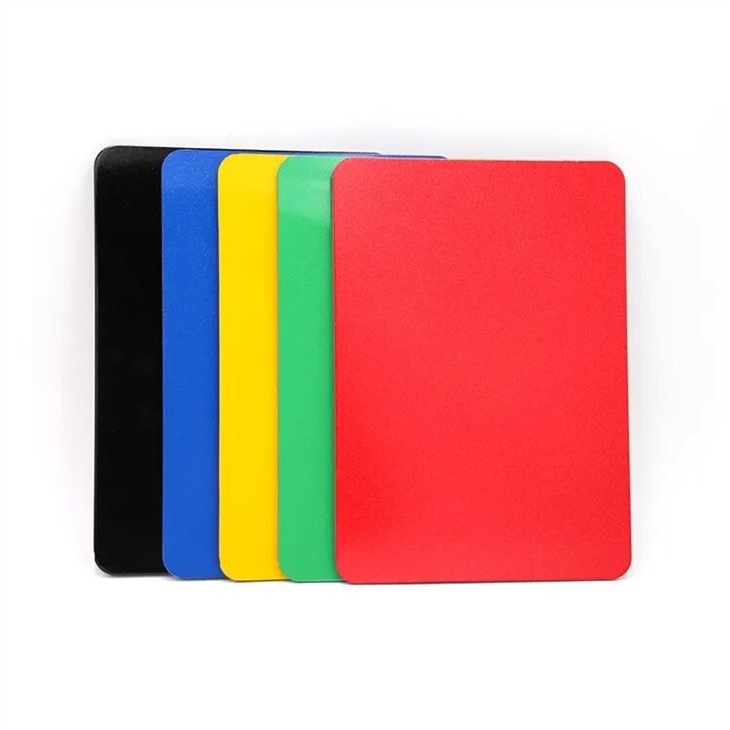
We offer a variety of finishes for our B grade fireproof ACP, including high - gloss finishes. You can check out our Five Meters Length High Gloss Alucobond Panels, 3mm Glossy Aluminum Composite Panel ACM, and High Gloss Composite Aluminium Cladding. These products can provide a visually appealing look when combined with other building materials.
Installation Compatibility
The installation process of the B grade fireproof ACP should be compatible with the installation of other materials. For example, if the ACP is to be installed in a curtain wall system along with glass panels, the mounting hardware and installation techniques should be coordinated. The structural support for the ACP and the glass panels should be designed to work together to ensure the stability and safety of the entire facade.
Conclusion
In conclusion, when using B grade fireproof ACP with other materials, it is essential to consider various compatibility issues, including physical, chemical, fire - performance, aesthetic, and installation aspects. By carefully addressing these issues, we can ensure a successful and long - lasting installation.
If you are interested in our B grade fireproof ACP products and have any questions about compatibility or would like to discuss a potential project, please feel free to reach out to us. We are more than happy to provide you with professional advice and support.
References
- "Building Materials Compatibility Handbook" by John Smith.
- "Fire - Resistant Building Materials and Their Applications" by Jane Doe.
- "Aluminum Composite Panels: Properties and Applications" by David Johnson.