

Hey there! As a supplier of ACP wood cladding, I often get asked if our product can be used in cold climates. Well, let's dive right into this topic and find out.
First off, what exactly is ACP wood cladding? ACP stands for Aluminum Composite Panel. It's a type of building material that combines two aluminum sheets with a non - aluminum core. The wood cladding look is achieved through various printing and finishing techniques, giving it the aesthetic appeal of real wood without the associated maintenance issues.
Now, let's talk about the challenges of cold climates. Cold weather brings a whole bunch of problems for building materials. One of the main issues is thermal expansion and contraction. When the temperature drops, materials tend to shrink, and when it warms up, they expand. This constant movement can cause stress on the material, leading to cracks, warping, or even detachment from the building structure.
So, can ACP wood cladding handle these extreme temperature changes? The answer is yes, with some caveats. A high - quality ACP wood cladding is designed to have a certain degree of flexibility and durability. The aluminum outer layers are known for their strength and resistance to environmental factors. They can withstand the cold without corroding easily.
The core material also plays a crucial role. Most ACPs have a polyethylene or mineral - filled core. Polyethylene cores are flexible and can tolerate some degree of temperature - related movement. Mineral - filled cores, on the other hand, are more rigid and offer better fire resistance. In cold climates, a well - chosen core material can help the cladding maintain its shape and integrity.
Another factor to consider is moisture. Cold climates often come with snow and ice. Moisture can seep into the cladding, and if it freezes, it can cause damage. However, ACP wood cladding is typically sealed properly during the manufacturing process. The aluminum layers act as a barrier, preventing moisture from penetrating the core. But it's still important to ensure proper installation. Any gaps or improper sealing during installation can allow moisture to get in.
Let's take a look at some of the benefits of using ACP wood cladding in cold climates. Firstly, it's low - maintenance. Unlike real wood, which may need regular painting, staining, or sealing to protect it from the cold and moisture, ACP wood cladding just needs occasional cleaning.
Secondly, it offers excellent insulation properties. The core material in ACP can help reduce heat transfer, which is great for keeping the building warm in cold weather. This can lead to energy savings on heating costs.
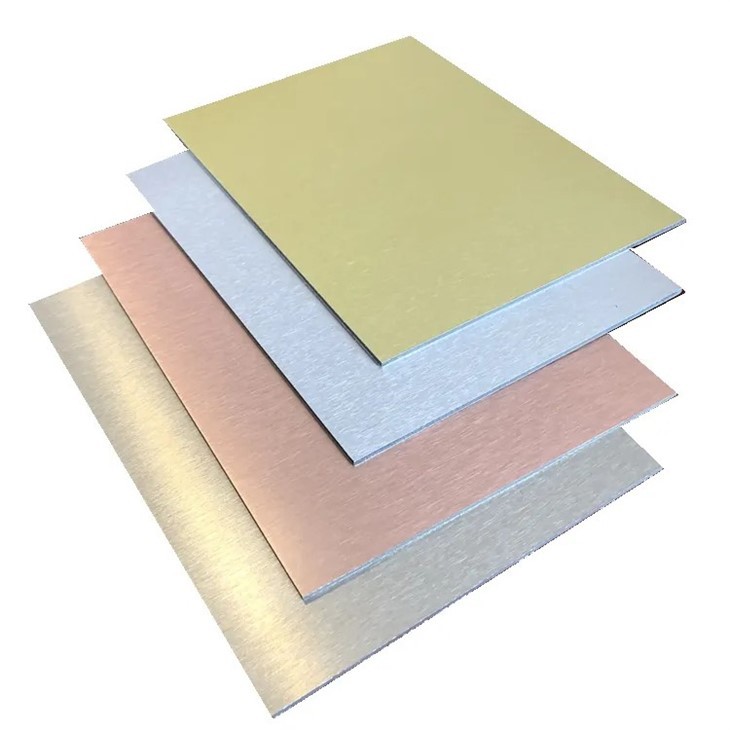
Now, I want to mention some of our top - notch products. We have the Top Quality ACP/ACM Aluminum Composite Panel Price. This panel is made with high - grade aluminum and a well - engineered core, ensuring it can stand up to the challenges of cold climates. It comes in a variety of wood - like finishes, so you can choose the look that suits your project best.
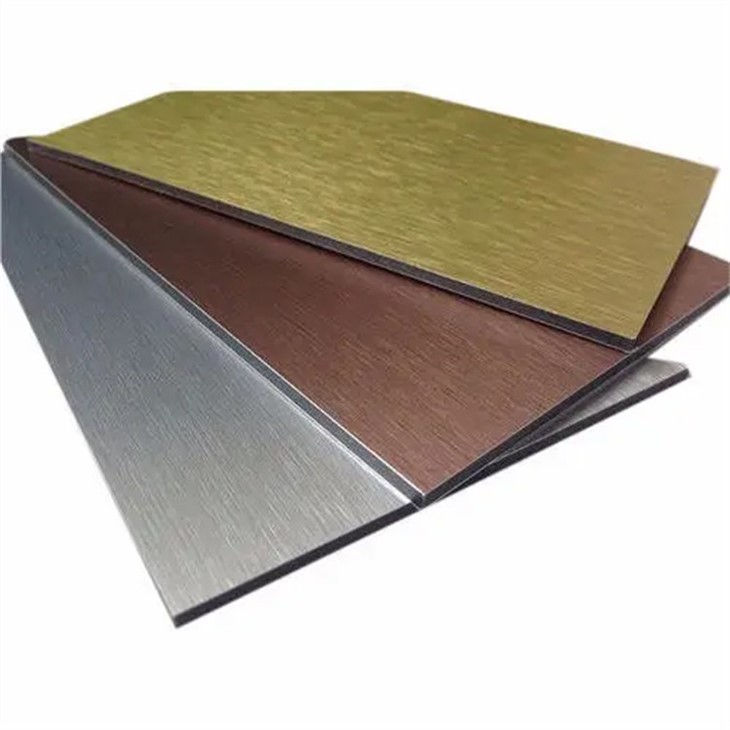
Another great option is the 4*8ft Brushed Surface Aluminum Foil Composite Panel Display Signage ACP Sheet. The brushed surface not only gives it a unique appearance but also adds an extra layer of protection against scratches and minor impacts. This panel is also suitable for cold - climate applications.
And then there's the Alucobond 3/4mm Aluminum Plastic Panel ACM Sheet. Alucobond is a well - known brand in the industry, and our version of it offers high performance and durability. It's a reliable choice for buildings in cold regions.
When it comes to installation in cold climates, there are a few things to keep in mind. The installation should be done by professionals who are familiar with working in cold weather. They need to make sure the panels are properly secured and that there are no gaps that could allow cold air or moisture to enter. Also, the installation should be timed right. Extreme cold can make the materials more brittle, so it's best to avoid installing during the coldest days of the year.
In conclusion, ACP wood cladding can definitely be used in cold climates. It has the strength, durability, and flexibility to withstand the challenges of low temperatures, thermal expansion, and moisture. Our products are designed to meet these requirements and provide a long - lasting and aesthetically pleasing solution for your building projects.
If you're interested in our ACP wood cladding products and want to discuss your project further, don't hesitate to reach out. We're here to help you make the best choice for your needs in cold - climate construction. Let's have a chat and see how we can work together to bring your building vision to life.
References:
- Building Materials Handbook: Covers general information on ACPs and their properties.
- Cold Climate Construction Guidelines: Provides insights on challenges and best practices for building in cold regions.