

Ventilation is a critical factor when using ACP (Aluminum Composite Panel) wood cladding, and as a reliable ACP wood cladding supplier, I am eager to share comprehensive insights on this topic. ACP wood cladding offers an aesthetically pleasing and durable solution for various architectural applications, but ensuring proper ventilation is essential for its long - term performance and the overall health of the building.
The Importance of Ventilation in ACP Wood Cladding
When we talk about ventilation in the context of ACP wood cladding, we are primarily concerned with two key aspects: moisture management and temperature regulation.
Moisture Management
Moisture is one of the biggest enemies of any building material, and ACP wood cladding is no exception. If moisture is allowed to accumulate behind the cladding, it can lead to a host of problems. For instance, it can cause the wood to rot, which not only compromises the structural integrity of the cladding but also reduces its lifespan. Additionally, excessive moisture can promote the growth of mold and mildew. These not only look unsightly but can also pose health risks to the occupants of the building.
Proper ventilation helps to remove moisture from behind the cladding. When air can circulate freely, it carries away the moisture that may have penetrated through the cladding or condensed on its inner surface. This continuous air movement keeps the area behind the cladding dry, preventing the development of moisture - related issues.
Temperature Regulation
ACP wood cladding can be exposed to a wide range of temperatures, especially in regions with extreme climates. Without proper ventilation, the temperature behind the cladding can rise significantly during hot days. High temperatures can cause the materials to expand, which may lead to warping, buckling, or even detachment of the cladding from the building structure.
On the other hand, during cold weather, poor ventilation can result in cold spots and uneven temperature distribution. This can lead to condensation, which again contributes to moisture problems. Adequate ventilation allows for the exchange of hot and cold air, maintaining a more stable temperature behind the cladding and reducing the stress on the materials.
Ventilation Requirements for ACP Wood Cladding
Ventilation Gap
A crucial element in the ventilation system for ACP wood cladding is the ventilation gap. This is the space between the cladding and the building's sheathing or insulation. A ventilation gap of at least 20 - 50mm is generally recommended. This gap provides a pathway for air to flow freely, facilitating the removal of moisture and the regulation of temperature.
The size of the ventilation gap may need to be adjusted based on several factors, such as the climate of the area, the type of building, and the orientation of the cladding. In areas with high humidity, a larger ventilation gap may be required to ensure efficient moisture removal. Similarly, if the cladding is exposed to direct sunlight for long periods, a wider gap can help with better temperature regulation.
Inlet and Outlet Vents
Inlet and outlet vents are essential components of the ventilation system. Inlet vents are located at the bottom of the cladding, allowing fresh air to enter the ventilation gap. Outlet vents are placed at the top, enabling the warm, moist air to escape.

The size and number of vents depend on the area of the cladding and the ventilation requirements. As a general rule, the total area of the inlet vents should be at least equal to the total area of the outlet vents. This ensures a balanced airflow through the ventilation gap.
It is also important to position the vents correctly. Inlet vents should be protected from blockages, such as dirt, leaves, or snow. Outlet vents should be designed in a way that prevents water from entering the ventilation gap during rain or snow.
Airflow Rate
The airflow rate is another important consideration. The airflow rate required for ACP wood cladding depends on the size of the building, the amount of moisture generated, and the temperature conditions. A common guideline is to aim for an airflow rate of at least 0.5 air changes per hour (ACH) in the ventilation gap.
However, in areas with high humidity or where there is a significant risk of moisture accumulation, a higher airflow rate may be necessary. To achieve the desired airflow rate, it may be necessary to adjust the size and number of vents or to use mechanical ventilation systems in some cases.
Our ACP Wood Cladding Products and Ventilation Considerations
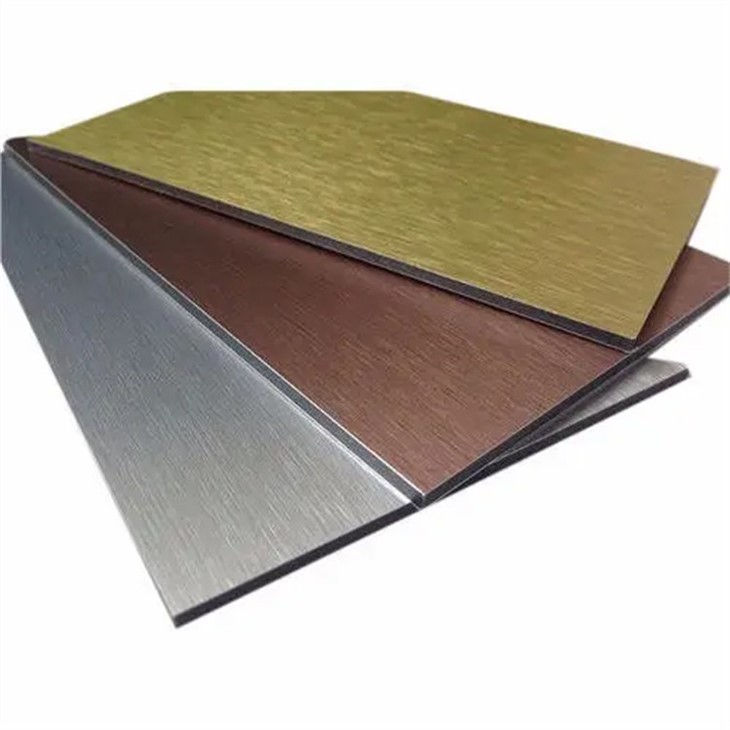
As an ACP wood cladding supplier, we offer a wide range of high - quality products that are designed with ventilation in mind. Our 3mm 4mm Brushed ACP ACM Aluminum Composite Panel ACP Sheet is a popular choice for many architectural projects. The brushed finish not only adds an elegant look but also helps to improve the durability of the panel.
Our Brushed ACP Sheet Aluminum Cladding Sheet ACP/ACM is engineered to allow for proper air circulation. We provide detailed installation instructions that include guidelines on creating the appropriate ventilation gap and installing the vents correctly.
In addition, our Top Quality ACP/ACM Aluminum Composite Panel Price offers excellent value for money. We ensure that all our products meet the highest standards of quality and performance, taking into account the ventilation requirements for long - term use.
Conclusion
Proper ventilation is of utmost importance when using ACP wood cladding. It plays a vital role in moisture management and temperature regulation, which are essential for the longevity and performance of the cladding. By following the ventilation requirements, such as maintaining the right ventilation gap, installing appropriate inlet and outlet vents, and ensuring an adequate airflow rate, you can ensure that your ACP wood cladding remains in excellent condition for many years.
If you are interested in our ACP wood cladding products and want to learn more about how to ensure proper ventilation for your project, we encourage you to contact us for further discussions. Our team of experts is ready to assist you in selecting the right products and providing guidance on installation and ventilation.
References
- Building Regulations Approved Document F: Ventilation, UK Government
- Architectural Aluminum Cladding Handbook, Aluminum Association