

Hey there! As a supplier of ACP wall cladding, I often get asked about the seismic performance of our products. So, I thought I'd take a moment to break it down for you.
First off, let's talk about what ACP wall cladding is. ACP stands for Aluminum Composite Panel. It's a lightweight, durable material made up of two aluminum sheets bonded to a non - aluminum core. It's widely used in building facades, interior partitions, and other architectural applications because of its aesthetic appeal, ease of installation, and cost - effectiveness.
Now, when it comes to seismic performance, it's all about how well the ACP wall cladding can withstand the forces generated during an earthquake. Earthquakes produce a variety of forces, including lateral forces that can cause buildings to sway, twist, and even collapse. For ACP wall cladding, the key is to be able to resist these forces without failing catastrophically.
One of the main factors that contribute to the seismic performance of ACP wall cladding is its flexibility. Unlike some rigid building materials, ACP has a certain degree of flexibility. This allows it to bend and flex with the movement of the building during an earthquake, rather than cracking or breaking immediately. For example, if a building sways to one side during an earthquake, the ACP cladding can adjust to that movement without detaching from the building structure.
Another important aspect is the attachment system. How the ACP panels are attached to the building frame plays a crucial role in seismic performance. A well - designed attachment system should be able to transfer the seismic forces from the cladding to the building structure in a controlled manner. Our company uses high - quality attachment systems that are specifically engineered to handle seismic loads. These systems are tested rigorously to ensure they can withstand the stresses of an earthquake.
Let's also consider the thickness and composition of the ACP panels. Thicker panels generally offer better seismic resistance because they have more mass and strength. For instance, our Light Grey 3mm ACP Sheet provides a good balance between weight and strength. The aluminum outer layers offer corrosion resistance and durability, while the core material helps to absorb and dissipate energy during an earthquake.
The core material of ACP also affects its seismic performance. Different core materials have different properties. For example, polyethylene (PE) cores are commonly used in ACP panels. Our PE Aluminium Composite Panel ACP Sheet Cladding Wall Cladding with a PE core has good impact resistance and can help the panel withstand the shockwaves generated during an earthquake. The PE core acts as a cushion, absorbing some of the energy and reducing the stress on the aluminum sheets.
In addition to the material properties, the installation process is vital for seismic performance. Proper installation ensures that the ACP wall cladding is securely attached to the building and can function as intended during an earthquake. Our installation teams are highly trained and follow strict installation guidelines to ensure that every panel is installed correctly.
We've also carried out a number of tests on our ACP wall cladding to evaluate its seismic performance. These tests simulate different earthquake scenarios, including different magnitudes and frequencies. The results have shown that our ACP wall cladding can withstand significant seismic forces without major damage.
When comparing ACP wall cladding with other types of building cladding materials, such as stone or brick, ACP has some clear advantages in terms of seismic performance. Stone and brick cladding are much heavier and more rigid. During an earthquake, they are more likely to crack, fall off, or cause damage to the building structure. In contrast, ACP is lightweight and flexible, which makes it a better choice for seismic - prone areas.
Now, let's talk about some real - world applications. In areas with high seismic activity, many architects and builders are choosing ACP wall cladding for their projects. For example, in some coastal cities where earthquakes are a common threat, ACP - clad buildings have shown good performance during seismic events. The ability of ACP to flex and absorb energy helps to protect the building and its occupants.
However, it's important to note that no building material can provide absolute protection during a major earthquake. Seismic performance is also affected by other factors such as the overall design of the building, the quality of the building structure, and the local geological conditions. But ACP wall cladding can certainly contribute to the overall seismic safety of a building.
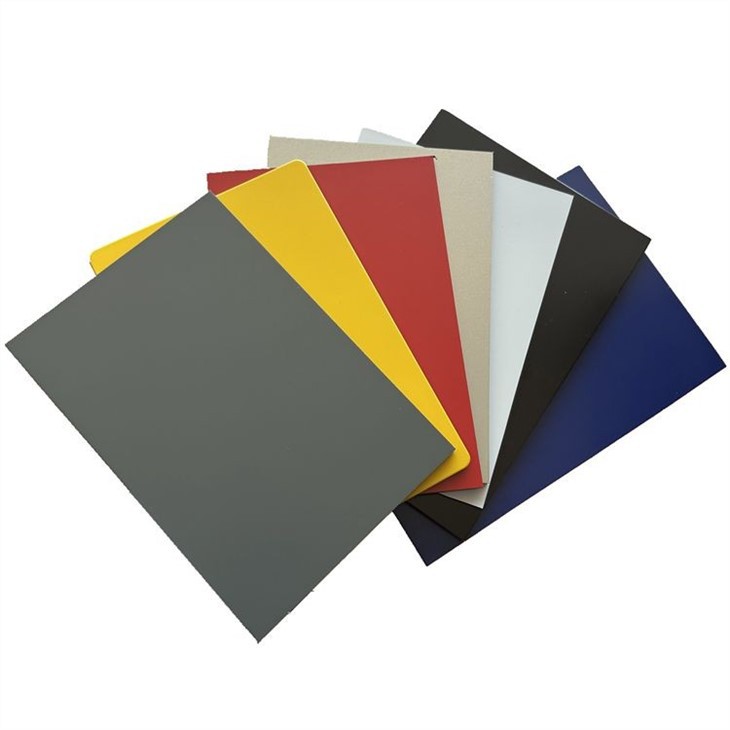

If you're considering using ACP wall cladding for your project, especially in a seismic - prone area, it's crucial to choose a reliable supplier. That's where we come in! We've been in the ACP wall cladding business for years, and we have a proven track record of providing high - quality products with excellent seismic performance. Our PE Composite Panel Cladding ACP is just one of the many products we offer that are designed to meet the highest standards of seismic resistance.
Whether you're building a commercial building, a residential complex, or an industrial facility, our ACP wall cladding can be a great choice. We can provide you with detailed information about the seismic performance of our products, and we can also offer advice on the best installation methods for your specific project.
So, if you're interested in learning more about our ACP wall cladding or if you're ready to start a project, don't hesitate to get in touch. We're here to help you make the right choice for your building and ensure that it has the best possible seismic protection.
References:
- Building Seismic Safety Council. Guidelines for Seismic Design of Buildings.
- International Building Code. Provisions related to seismic design and building cladding.
- Manufacturer's technical documentation on ACP wall cladding materials and their performance.