

As a supplier of B grade fireproof aluminum composite panels (ACP), I've witnessed firsthand the growing popularity of these products in the construction industry. B grade fireproof ACPs offer a balance between cost - effectiveness and a certain level of fire resistance, making them an attractive option for many construction projects. However, it is crucial to be aware of their disadvantages, so that architects, contractors, and end - users can make well - informed decisions.
1. Limited Fire Resistance
The most obvious disadvantage of using B grade fireproof ACP is its limited fire - fighting ability compared to higher - grade fireproof materials. According to fire safety standards, B grade materials are classified as having a certain degree of flammability. While they can prevent the spread of fire to a certain extent and reduce the intensity of combustion, they are not as effective as A grade non - combustible materials.
In the event of a fire, B grade ACP may begin to burn or melt, releasing toxic fumes and expanding flames. These toxic fumes can be extremely dangerous, as they can cause inhalation injuries and reduce visibility, which makes it difficult for people to evacuate the building. Moreover, the melted ACP can drip onto the lower floors, potentially spreading the fire vertically throughout the building. For example, in some high - rise building fires, the use of B grade ACP has been identified as a factor that contributed to the rapid spread of the fire, endangering the lives of building occupants and increasing the difficulty of fire - fighting operations.
2. Durability and Long - Term Performance
Another concern when using B grade fireproof ACP is its durability over time. The core material of ACP, which plays a major role in its fire - resistance and overall performance, may degrade due to environmental factors such as high temperatures, humidity, and UV exposure.
In areas with extreme weather conditions, the B grade ACP may experience cracking, delamination, or discoloration. For instance, in hot and humid climates, the bonding between the aluminum skins and the core material can weaken, leading to the separation of the layers. This not only affects the aesthetic appearance of the building but also undermines the structural integrity of the facade. Over time, the reduced durability can compromise the fire - resistant properties of the ACP as well, as the damaged panels may lose their ability to withstand fire effectively.
3. Regulatory and Insurance Issues
The use of B grade fireproof ACP can also lead to regulatory and insurance problems. In many regions, building codes and regulations are becoming more stringent regarding fire safety. Some local authorities may restrict or even prohibit the use of B grade ACP in certain types of buildings, especially high - rise buildings, hospitals, schools, and other public facilities where fire safety is of utmost importance.
Failure to comply with these regulations can result in significant fines, construction delays, and even the demolition of non - compliant structures. In addition, insurance companies may be reluctant to provide coverage or may charge higher premiums for buildings using B grade ACP. They are aware of the increased fire risk associated with these materials and may consider the risk too high to cover under standard policies. This can add an unexpected financial burden to the project owners and developers.
4. Negative Impact on Building Value
The use of B grade fireproof ACP can have a negative impact on the long - term value of a building. When potential buyers or tenants are considering a property, they closely examine the building's fire safety features. A building with B grade ACP may be perceived as having a higher fire risk, which can reduce its marketability and resale value.
In the real estate market, properties with high - quality, fire - resistant materials are generally more sought after and can command higher prices. On the contrary, buildings with B grade ACP may face challenges in attracting investors or long - term tenants, as they may be concerned about the potential fire hazards and the associated costs of fire prevention and management.
5. Aesthetic Limitations
Although ACPs are known for their aesthetic appeal, B grade fireproof ACP may have some limitations in terms of appearance. The fire - resistant treatment required for B grade materials can sometimes affect the surface finish and color of the panels.
The high - temperature treatment or the addition of fire - retardant chemicals may cause the panels to have a slightly different texture or color compared to non - fireproof or higher - quality ACPs. This can be a problem for architects and designers who are aiming for a specific aesthetic look in their building projects. For example, if a project requires a uniform and high - gloss finish, the B grade fireproof ACP may not be able to achieve the desired effect, leading to a compromise in the overall design.
Our Product Offerings
Despite the disadvantages mentioned above, we understand that B grade fireproof ACP still has its place in the market, especially for projects with budget constraints or less strict fire - safety requirements. As a supplier, we offer a wide range of B grade fireproof ACP products that meet the relevant industry standards.
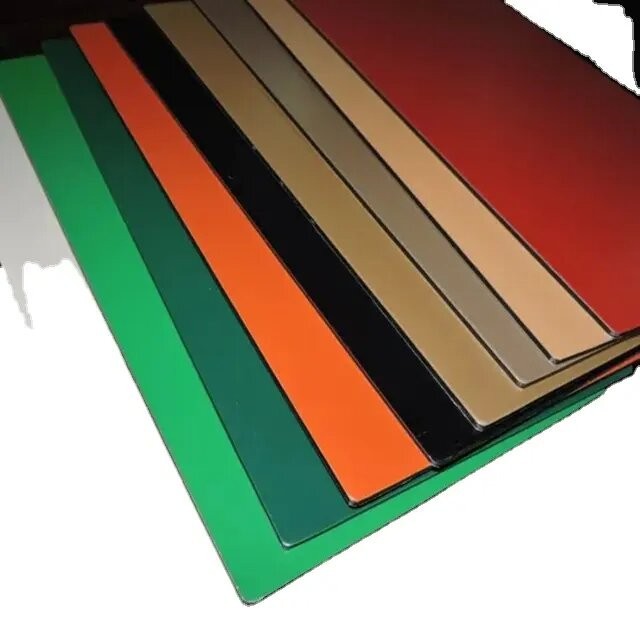
We have Glossy Matt Pure Color Aluminum Composite Board Wholesale, which combines a sleek appearance with a certain level of fire resistance. Our High Gloss Aluminum Facade Panels are also popular among customers who want to enhance the visual appeal of their buildings while maintaining a basic level of fire protection. And for those looking for an environmentally - friendly option, our Green Glossy ACP For Wall Cladding provides both aesthetic and fire - resistant benefits.

Conclusion
In conclusion, while B grade fireproof ACP has its advantages in terms of cost and availability, it also comes with several significant disadvantages. These include limited fire resistance, durability issues, regulatory and insurance challenges, negative impacts on building value, and aesthetic limitations. As a supplier, it is our responsibility to provide customers with accurate information about the pros and cons of using B grade fireproof ACP so that they can make informed decisions based on their specific project needs.
If you are considering using B grade fireproof ACP for your construction project, please feel free to contact us to discuss your requirements further. Our team of experts is ready to help you find the most suitable solution and ensure that your project meets the necessary safety and quality standards.
References
- National Fire Protection Association. Fire Protection Handbook.
- International Building Code.
- Local building regulations and codes.